
Quick Answer: What Is FemiCore?
FemiCore is a daily dietary supplement in capsule form that combines four botanical ingredients (Mimosa pudica, bearberry, cranberry extract and berberine) with five Lactobacillus probiotic strains. It is marketed to support bladder comfort and urinary tract balance in women. It is not a drug, it has not been evaluated by the FDA to diagnose, treat, cure or prevent any disease, and published human evidence for the finished formula is limited. This independent guide explains what is in it, what the research on each ingredient does and does not show, who should be careful, and where to check current pricing.
What Is FemiCore?
FemiCore is a women-focused herbal and probiotic supplement sold in the United States. The manufacturer positions it as a daily product for people who want to support bladder comfort, urinary tract balance and everyday confidence. Instead of a single active ingredient, it uses a blend: four plant-derived ingredients that have a history of traditional use for the urinary tract, plus a probiotic complex built from five Lactobacillus strains that are commonly discussed in connection with the vaginal and gut microbiome.
The reasoning behind the formula is straightforward. The urinary tract, the vaginal environment and the digestive tract are connected, and the bacteria living in these areas influence one another. Many women notice that urgency, irritation or recurring discomfort seems to follow changes in diet, hormones, antibiotics, sleep, stress or hydration. A supplement that combines botanicals with probiotics tries to address more than one angle at once.
It is important to be realistic about what a supplement like this can be. FemiCore is sold as a dietary supplement, which means it is regulated differently from a prescription medicine. It cannot legally promise to cure an infection, treat overactive bladder as a medical condition, or replace advice from a clinician. What it can reasonably aim to do is provide nutritional and botanical support as part of a broader routine that includes fluids, diet, pelvic floor care and regular medical check-ups.
This page is an independent educational guide. It is not the official FemiCore website, it is not operated by the manufacturer, and we do not make or ship the product. If you decide to buy, the buttons on this page take you to the official order page. Please read the affiliate disclosure to understand how this site may earn a commission.

Who FemiCore May Suit, and Who Should Skip It
People who may find it relevant
Adult women who are generally healthy, have already ruled out infection or other medical causes with a clinician, and are looking for a supplement to complement good bladder habits are the core audience. Typical reasons people look at products like this include frequent urges that interrupt the day, a feeling of low confidence when leaving the house, a desire to support urinary tract health after a doctor has confirmed there is no active problem, or an interest in probiotics for vaginal and digestive balance.
It may also appeal to people who prefer plant-based, non-GMO and gluten-free products, as the manufacturer describes the formula. Capsules are simple to take once daily, which suits those who dislike managing several separate pills.
People who should speak to a clinician first
Some groups should not start this or any similar supplement without medical advice. These include anyone who is pregnant, trying to conceive or breastfeeding; anyone taking prescription medicines, especially diabetes medication, blood thinners, immunosuppressants or medicines processed by the liver; people with kidney or liver disease; people with a weakened immune system; and anyone who has symptoms such as burning, fever, blood in the urine, back or side pain, or sudden changes in urination. Those symptoms can signal an infection or another condition that needs proper diagnosis, and a supplement is not a substitute.
Berberine and bearberry in particular have safety considerations discussed below, which is one reason a conversation with a pharmacist or doctor is worthwhile before you begin.
FemiCore Ingredients Explained
The manufacturer lists nine active ingredients. Below is a plain-language look at each one: what it is, how it is traditionally or commercially used, and what the research does and does not show. Exact amounts per capsule are shown on the product label, and you should check the official label before purchase, as formulas can change.
Mimosa Pudica
Mimosa pudica, often called the sensitive plant or touch-me-not, is a creeping herb whose leaves fold when touched. It has a long history in traditional medicine systems in South and Southeast Asia, where it has been used for a range of complaints. In the context of FemiCore it is positioned as a botanical to support bladder muscle comfort. Laboratory and animal studies have explored its effects on smooth muscle and inflammation, but good-quality human trials on bladder function are scarce. This is one of the more speculative ingredients in the blend, so it is reasonable to treat the claim as promising tradition rather than proven outcome.
Bearberry (Uva Ursi)
Bearberry leaf, also called uva ursi, is a traditional European herbal remedy for urinary comfort. Its leaves contain arbutin, which the body converts into hydroquinone, a compound with antimicrobial activity in the urinary tract. Herbal monographs describe short-term traditional use, and safety bodies caution against long continuous use and against use in pregnancy, breastfeeding and in people with kidney disease. Because exposure to hydroquinone is the concern, how much bearberry a product delivers and for how long you take it both matter. Ask your clinician before taking it for extended periods.
Cranberry Extract
Cranberry is the most studied ingredient in the formula. Its proanthocyanidins (PACs) may interfere with the ability of certain bacteria, particularly E. coli, to attach to the lining of the urinary tract. A large independent review of randomized trials found that cranberry products can reduce the risk of symptomatic urinary tract infections in some groups, such as women with recurrent infections, although results across studies are mixed and depend on dose, PAC content and the population studied. Cranberry is not a treatment for an infection that has already started. Note that cranberry extract may be a concern for people prone to certain kinds of kidney stones, and large amounts may interact with warfarin in some reports.
Berberine
Berberine is a plant alkaloid found in barberry, goldenseal and related plants. It is widely researched for blood sugar, cholesterol and gut microbiome effects, and it has antimicrobial properties in laboratory settings. In FemiCore it is presented as supporting microbial balance in the digestive and urinary systems. Berberine is pharmacologically active, which means it deserves respect: it may interact with medicines including metformin and other diabetes drugs, cyclosporine, and drugs metabolized by liver enzymes, and it is not recommended in pregnancy. Anyone on regular medication should check with a pharmacist before taking it.
Lactobacillus Crispatus
Lactobacillus crispatus is one of the dominant bacteria in a healthy vaginal microbiome. It produces lactic acid, which helps keep the vaginal environment acidic and less friendly to unwanted organisms. Research interest has grown in live products containing this species for vaginal and urinary health, though much of the strongest early work uses specially formulated vaginal products rather than standard oral capsules. Whether an oral capsule delivers meaningful amounts to the vaginal environment is still an open research question.
Lactobacillus Acidophilus
Lactobacillus acidophilus is among the most familiar probiotic species and is found in many yogurts and supplements. It is mainly associated with digestive comfort and general gut flora balance. Studies on its role in urinary or vaginal health are smaller and less consistent, but it is a widely used, generally well-tolerated species for healthy adults.
Lactobacillus Plantarum
Lactobacillus plantarum is a hardy strain found in fermented foods such as sauerkraut and kimchi. It has been studied for digestive symptoms and for its ability to survive stomach acid. In a formula like FemiCore it is included to support overall microbial diversity, and its effects on the urinary system specifically are not well established.
Lactobacillus Gasseri
Lactobacillus gasseri is another species naturally present in the female urogenital tract and gut. Some trials have looked at it for digestive health and weight-related markers, and some have examined its presence in vaginal flora. As with the others, evidence for a direct bladder benefit from an oral supplement remains preliminary.
Lactobacillus Casei
Lactobacillus casei is commonly used in fermented dairy drinks and supplements aimed at digestive and immune function. It is generally considered safe for healthy adults, but people with severely weakened immune systems or central venous catheters should avoid live probiotics unless a doctor advises otherwise.
How the Formula Is Meant to Work
FemiCore is built around a simple idea: the urinary tract is not sterile and floats in an ecosystem. The vagina, the urethra, the bladder and the gut each host communities of microbes, and when those communities lean toward less protective bacteria, women can experience discomfort or recurring problems. The formula takes three approaches at once.
The first is the botanical approach. Cranberry and bearberry are traditionally used to make the urinary tract less hospitable to certain bacteria. Mimosa pudica is included for its traditional association with smooth muscle comfort. The second approach is microbial. The five Lactobacillus strains are intended to add to the population of friendly bacteria that help maintain a slightly acidic, protective environment. The third is digestive. Because the gut is the usual source of bacteria that reach the urinary tract, supporting digestive balance with probiotics and berberine is presented as an indirect way to support urinary comfort.
This is a coherent concept, and the reasoning is consistent with how researchers think about the urogenital microbiome. The honest caveat is that a coherent theory is not the same as a clinical result. Whether this exact combination, at these exact amounts, improves outcomes for a given person has not been established in a large published trial that we are aware of.
What the Evidence Really Shows
When you evaluate a supplement, it helps to separate three levels of evidence: research on individual ingredients, research on the finished product, and personal experience reported by users.
Evidence on individual ingredients
Cranberry has the strongest research base for supporting urinary tract health, with reviews finding a modest benefit in preventing symptomatic infections in certain populations. Berberine has substantial research, but mostly for metabolic health rather than the bladder. Bearberry has a long traditional use with limited modern trial data. Lactobacillus crispatus has promising work in vaginal microbiome research. Mimosa pudica has mainly preclinical research.
Evidence on the finished product
We have not found independent, peer-reviewed clinical trials of the complete FemiCore formula. That does not mean it cannot be helpful; many reputable supplements have never been tested as a finished blend. It does mean that claims about specific improvements, such as how many weeks until you notice a change, should be treated as marketing language rather than established fact.
Personal experience
Individual experiences vary widely. Factors such as diet, hydration, hormones, medications, stress and underlying conditions change how any supplement works for a person. Be cautious about any website, including this one, that claims guaranteed results. Where you see testimonials online, check whether they are verifiable and whether the people were compensated.
A balanced conclusion
The formula combines ingredients with reasonable scientific rationale, but the evidence for the finished product is thin. Treat it as a low-cost experiment you try alongside, not instead of, medical care, and keep track of how you feel over several weeks so you can judge for yourself.
How to Take FemiCore
The manufacturer's directions describe taking the supplement once daily with water. Always follow the directions printed on the product you receive, because instructions on a label take priority over any general guide. Here are some practical tips that apply to most capsule supplements.
Choose a consistent time of day so it becomes a habit; many people take it with a meal to minimize stomach upset. Drink enough water throughout the day, as hydration is one of the simplest supports for urinary comfort. Give it time, because botanicals and probiotics generally work gradually rather than overnight, and many brands suggest evaluating results over several weeks. Keep a short note of symptoms, such as how often you urinate, how strong the urges are and whether you wake at night, so you can compare before and after objectively.
Store the bottle in a cool, dry place away from direct sunlight, and keep it out of reach of children. If you experience any unusual symptoms, stop taking it and contact a healthcare professional.
Safety, Side Effects and Interactions
Most healthy adults tolerate probiotics and cranberry well, but any supplement can cause side effects. Reported effects for ingredients like these may include mild digestive changes such as gas, bloating, loose stools or stomach upset, particularly in the first days of use. Berberine is more likely to cause digestive discomfort than the other components. Rare allergic reactions are possible with any plant ingredient, so stop taking it if you notice a rash, swelling or breathing difficulty and seek urgent medical help.
Possible interactions
Berberine can affect how the body processes some medicines and can lower blood sugar, which matters for anyone using diabetes medication. Cranberry has been reported to interact with warfarin in some case reports. Bearberry may not be appropriate alongside certain medications, and it is not advised during pregnancy or breastfeeding. Probiotics can be a concern for people who are immunocompromised. This list is not exhaustive, so share the full ingredient list and your medication list with a pharmacist.
Who should avoid it
Do not use FemiCore if you are pregnant or nursing unless your doctor approves it. Avoid it if you are allergic to any listed ingredient. People with kidney stones, liver disease, kidney disease or a compromised immune system should obtain medical clearance first. It is not intended for anyone under 18.
Understanding the Quality Claims
Marketing for supplements often mentions manufacturing standards. Here is what the common terms actually mean, so you can interpret them sensibly.
GMP. Good Manufacturing Practice rules require supplement makers to control the identity, purity, strength and composition of their products and to keep records. A GMP-compliant facility follows documented processes, but the term alone does not prove a specific product works.
FDA-registered facility. In the United States, food and supplement facilities must register with the FDA. Registration means the facility has notified the agency that it exists and what it makes. It does not mean the FDA has approved the facility's products or evaluated their claims. This is a frequent source of confusion.
Non-GMO and gluten-free. These labels describe ingredient sourcing and cross-contact practices. They are useful if you follow those dietary preferences but are not health claims.
Third-party testing. The most reassuring quality sign is independent lab testing with a certificate of analysis. Check the official website or contact customer support to ask whether current batch testing results are available.
Pricing, Bundles and Guarantee
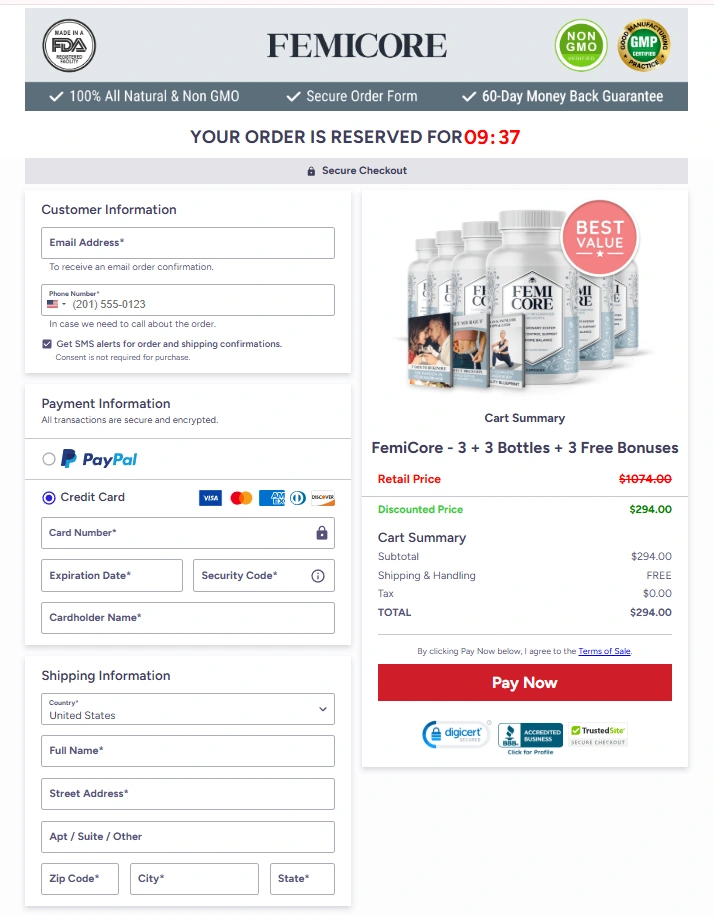
Supplement pricing and offers change frequently, and this independent site cannot guarantee that any price we mention would still be current when you read it. For that reason, we do not list prices here. Check the official order page for the current price per bottle, bundle discounts, shipping costs and any bonus items.
When you compare offers, calculate the cost per month rather than per bottle, check whether shipping is included, and read the refund policy carefully. The manufacturer advertises a money-back guarantee; confirm the exact length, conditions, return address and how to contact support before you buy, and keep your order confirmation. Be wary of any seller that is not the official store, since counterfeit or expired supplements are sometimes sold through unauthorized marketplaces.
Daily Habits That Support Bladder Health
No supplement works in isolation. The habits below are commonly recommended by health organizations as part of a bladder-friendly routine, and they cost nothing to try.
Hydrate steadily
Many people with frequent urges cut back on fluids, but concentrated urine can irritate the bladder. Sip water regularly through the day and taper off a couple of hours before bed if night-time trips are a concern.
Notice your triggers
Caffeine, alcohol, carbonated drinks, artificial sweeteners and very acidic or spicy foods bother some people's bladders. Keep a simple diary for a week or two and reduce suspected triggers one at a time.
Practice pelvic floor exercises
Pelvic floor muscle training, often called Kegel exercises, is a first-line, evidence-supported approach for several types of bladder control problems. A pelvic floor physiotherapist can make sure you are doing them correctly, since many people squeeze the wrong muscles.
Try bladder training
Bladder training gradually lengthens the time between bathroom visits to help the bladder hold more comfortably. It works best with guidance from a clinician.
Support good bowel and weight habits
Constipation puts pressure on the bladder, so fiber and regular movement help. Maintaining a healthy weight can also reduce pressure on the pelvic floor.
Practice good hygiene
Wipe front to back, urinate after intercourse, avoid harsh feminine products and wear breathable cotton underwear. These small steps help lower the chance of irritation and infection.
When to See a Doctor
A supplement is not the right tool for every bladder symptom. See a healthcare professional promptly if you notice burning or pain when urinating, cloudy or foul-smelling urine, blood in the urine, fever or chills, pain in your back or side, sudden severe urgency, or a sudden change in how often you go. These can indicate infection, stones, hormonal changes, neurological conditions or other issues that need diagnosis and sometimes prescription treatment.
Also talk to a clinician if symptoms persist for more than a few weeks, if leakage affects your daily life, or if you are unsure whether your symptoms are normal. Bladder concerns are very common and treatable, and there is no need to feel embarrassed about asking for help.
FemiCore Pros and Cons
Potential advantages
- Combines cranberry, which has the strongest research of the botanicals, with several probiotic strains
- Convenient once-daily capsule routine
- Plant-based, non-GMO and gluten-free formulation as described by the manufacturer
- Manufactured in a facility described as GMP-compliant and FDA-registered
- Money-back guarantee advertised by the manufacturer
Potential drawbacks
- No published clinical trial of the finished formula that we could find
- Includes pharmacologically active ingredients (berberine, bearberry) that raise interaction and safety questions
- Results vary and may take several weeks, if they appear at all
- Not suitable for pregnancy, breastfeeding or certain medical conditions
- Ongoing cost, so compare the monthly price with other options
Frequently Asked Questions About FemiCore
What is FemiCore used for?
FemiCore is a daily capsule supplement marketed to support bladder comfort and urinary tract balance in women. It combines Mimosa pudica, bearberry, cranberry extract and berberine with five Lactobacillus probiotic strains. It is a dietary supplement, not a medicine, and it is not intended to diagnose, treat, cure or prevent any disease.
What are the ingredients in FemiCore?
The listed active ingredients are Mimosa pudica, bearberry (uva ursi), cranberry extract, berberine, Lactobacillus crispatus, Lactobacillus acidophilus, Lactobacillus plantarum, Lactobacillus gasseri and Lactobacillus casei. Check the official product label for exact amounts and any inactive ingredients before you buy.
Does FemiCore really work?
There are no published clinical trials of the finished FemiCore formula that we could find. Cranberry has reasonable research for supporting urinary tract health in some groups, and probiotics are widely studied, but results for any individual vary. Treat it as a supportive supplement rather than a guaranteed solution and track your own symptoms over several weeks.
How do you take FemiCore?
The manufacturer directs one capsule daily with water. Always follow the directions on the label of the product you receive, take it at a consistent time, and drink water regularly throughout the day.
How long does FemiCore take to work?
Botanical and probiotic supplements generally act gradually, and many brands suggest judging results after several weeks of consistent use. Individual responses differ, and some people may notice no change. If your symptoms are severe or getting worse, see a clinician instead of waiting.
Is FemiCore safe? What are the side effects?
Most healthy adults tolerate probiotics and cranberry well. Possible effects include gas, bloating, loose stools or stomach upset, and berberine is the most likely ingredient to cause digestive discomfort. Stop use and seek medical help if you notice an allergic reaction such as rash, swelling or trouble breathing.
Can I take FemiCore with medication?
Ask a pharmacist or doctor first. Berberine can interact with diabetes medicines, cyclosporine and drugs processed by liver enzymes, and cranberry has been reported to interact with warfarin in some cases. Bearberry is not advised alongside some medicines and is not advised in pregnancy.
Can pregnant or breastfeeding women take FemiCore?
Not without medical approval. Berberine and bearberry are generally not recommended during pregnancy or breastfeeding, so speak with your doctor before using this product if you are pregnant, trying to conceive or nursing.
Is FemiCore FDA approved?
No. Dietary supplements are not approved by the FDA before they are sold. The manufacturer describes the product as made in an FDA-registered, GMP-compliant facility, but facility registration is not the same as product approval, and the statements about the product have not been evaluated by the FDA.
Where can I buy FemiCore, and is there a refund policy?
Buy only from the official order page linked on this site to avoid counterfeit or expired products. The manufacturer advertises a money-back guarantee; confirm the length, conditions and how to request a refund on the official page before you order, and keep your confirmation email.
Is this the official FemiCore website?
No. This is an independent educational guide and is not operated by the FemiCore manufacturer. We may earn a commission if you purchase through our links at no extra cost to you. See our affiliate disclosure for details.
When should I see a doctor instead of using a supplement?
See a healthcare professional promptly for burning or pain when urinating, blood in the urine, fever, back or side pain, cloudy or foul-smelling urine, sudden severe urgency, or symptoms that last more than a few weeks. These can signal infection or another condition that needs diagnosis.
Our Verdict
FemiCore is a thoughtfully composed supplement on paper. The mix of cranberry, traditional botanicals and Lactobacillus strains reflects current interest in the urogenital microbiome, and a once-daily capsule is easy to fit into a routine. At the same time, the evidence for the complete formula is limited, a couple of the ingredients need caution, and the best-supported steps for bladder comfort remain hydration, trigger management and pelvic floor training.
If you are a healthy adult, have checked with a clinician or pharmacist, and want to try a probiotic-and-botanical supplement as part of a wider plan, FemiCore is a reasonable product to evaluate. Buy only from the official store, read the label, track your symptoms, and stop and seek medical advice if anything feels wrong.
Visit the Official FemiCore Order Page
Disclosure: this is an independent informational site and not the official FemiCore website. We may earn a commission if you buy through our links, at no extra cost to you. Statements have not been evaluated by the Food and Drug Administration. This product is not intended to diagnose, treat, cure or prevent any disease. This content is for education only and is not medical advice.